Barrier Cream for Hair Dye: What It Does and How to Use It

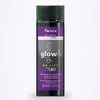
A barrier cream for hair dye is a cream spread on the skin along the hairline, forehead, face contour and ears before a colour, bleach or perm, to help stop colour staining that skin. Fanola says its Barrier Cream forms an "insulating film" and rinses off with water or shampoo. It does not replace gloves or an allergy alert test.
The steps below are for a colourist working on a client, with a separate section for colouring at home.
| Barrier cream for hair dye: at a glance | What the sources say |
|---|---|
| Where Fanola Barrier Cream goes | Along the hairline, forehead, face contour and ears, before colouring, bleaching or perming (Fanola) |
| How much barrier cream to use | Fanola gives no amount, only "distribute evenly" |
| Barrier cream on the hair | Fanola's page doesn't say. A dye brand, a colourist and a review site say keep it off the hair (the colourist specifies the baby hairs at the front) |
What does a barrier cream do when you colour hair?
A barrier cream, sometimes called a protective cream, is sold to stop hair colour staining the skin round the hairline. Fanola says its Barrier Cream "creates an insulating film that prevents stains, irritation, and discomfort". That is Fanola's claim; its pages give no test data, and we found no independent test, of Fanola's cream or any other, of how much staining a barrier cream prevents. It is for the skin along the hairline, face contour and ears, not the scalp under the hair.
What a barrier cream is made of
Take Fanola Barrier Cream (Crema Schermo), 150 ml as an example. From the ingredient list on Fanola's Italian page:
- It is water-based. Water is listed first: a water-based emulsion containing petrolatum (petroleum jelly) and mineral oil, not neat petroleum jelly.
- It contains added fragrance: Parfum, lemon peel oil, limonene and two other fragrance materials. If you or your client know you react to fragranced products, check the full list on the pack first.
How to use a barrier cream before a colour, bleach or perm
Fanola's directions: "Apply along the hairline, forehead, face contour and ears before any chemical treatment, such as colouring, bleaching or perming." In order:
- Allergy alert test first. Do the test the colour's instructions call for, before the service. It puts a little of the actual colour on the skin, which is then watched for a reaction. A barrier cream doesn't change this. See how the allergy alert test works for any colour mixed with developer.
- Check the client against the label's rules: no colour over a rash on the face or a sensitive, irritated and damaged scalp, and none if they have ever reacted to hair colour or a black-henna tattoo.
- Apply the cream with clean hands, before mixing. Spread it evenly along the hairline, forehead, face contour and ears. Fanola gives no amount. Keep it on the skin and off the hair: a dye brand and a review site warn that product on the hair or roots can stop colour taking. Our reading, not a tested amount: enough for an even layer, not so much that it creeps onto the hair.
- Gloves on, then mix and apply the colour. The Health and Safety Executive (HSE) advises hairdressers to wear snug, disposable, non-latex gloves (nitrile or vinyl), long enough to protect the wrists.
- Wipe off colour that lands on the skin straight away, rather than leaving it on the skin.
- Rinse the cream off with water or shampoo at the end, as Fanola directs.
Which parts are Fanola's. The order in steps 3 to 5 (cream before gloves, gloves before mixing, and wiping colour off as it lands) is our practical sequencing; where the cream goes and how it comes off are Fanola's directions. Gloves that have touched mixed colour would carry dye onto the skin you are protecting. Wiping colour off promptly is our own precaution: Fanola gives no data on how long the cream keeps colour off the skin. We found nothing testing a barrier cream during on-scalp bleach.
What a barrier cream can't do
It doesn't replace gloves. HSE says no cream is a true barrier or a substitute for gloves on a worker's hands (see the questions below), and that hairdressers are more prone to dry, cracked skin, which can be an early sign of dermatitis.
It doesn't replace the allergy alert test. Testing guidance from the NHBF (National Hair & Beauty Federation), Cosmetics Europe and Wella calls for a test before colouring, and none of it that we checked mentions barrier cream. Fanola's Color and Color Keratin naturals shade pages, including the ammonia-free Color Keratin, list toluene-2,5-diamine sulfate (PTD), and the statutory label for hair dyes containing PPD or PTD reads "Hair colourants can cause severe allergic reactions". That warning, and the test the colour's instructions call for, apply with or without a barrier cream. For toners, see which Fanola toners need a test and the Fanola No Yellow toner guide.
Irritation is not the same as an allergic reaction. Fanola's "prevents irritation" is a claim about the skin round the hairline. We found no source showing a barrier cream reduces allergic reactions to hair dye: an absence of evidence, not proof it does nothing.
A barrier cream doesn't change the label's rules. Don't colour over a rash or an irritated scalp, don't colour if you've ever reacted to hair colour or a black-henna tattoo, and these colours aren't for under-16s. Check the pack too: Fanola's Barrier Cream and Fanola Color naturals pages print no glove or allergy-test wording that we could find, though a Color Mask page we checked does. We haven't seen the pack leaflets.
Colouring at home: what can I use instead of a barrier cream?
These are opinions and brand tips; none has been compared with a purpose-made cream.
- Petroleum jelly (Vaseline). Dermatologist Dr Purvisha Patel, quoted by the website Reviewed, says it "creates a barrier and prevents the dye from sticking". Manic Panic, a hair dye brand, says to apply Vaseline "around your hairline and any other areas of your face and neck that the hair dye could reach during application". Colourist Jodie Searle, in Stylist, suggests Vaseline "or anything slightly oil-based".
- Conditioner. Garnier suggests massaging "a thick layer of conditioner or petroleum jelly, into your hairline and over your ears", saying the hairline "won't be able to absorb the dye as easily": less, not none. Garnier doesn't call it a barrier-cream substitute.
Keep any of these off your hair. Garnier, Reviewed and Searle all warn that product on the hair can stop colour taking (see the questions below).
Removal is disputed and untested: one manufacturer's patent for a rival skin-protection cream says petroleum jelly doesn't wash off with water and is hard to remove; Reviewed simply tells readers to remove it with a damp towel.
The safety steps still come first. The NHS advises testing "the dye on a strand of your hair at least 48 hours before you want to use it", following the instructions that come with the dye, and wearing gloves. Our note: a strand test is done on the hair, so it is not the skin allergy alert test in step 1; do the skin test the dye's instructions call for as well (see how the allergy alert test works). If you feel you're reacting, the NHS says to wash your hair and scalp thoroughly with mild shampoo straight away, and to call 999 if your lips, mouth, throat or tongue suddenly swell, you're struggling to breathe, or your throat feels tight.
How to choose a barrier cream for hair dye
We found no test that ranks barrier creams, so there's no evidence-based "best". Check the pack for these:
| What to check on the pack | Fanola Barrier Cream |
|---|---|
| Clear directions on where it goes, and an instruction to keep it off the hair | Hairline, forehead, face contour and ears. Its page doesn't mention keeping it off the hair |
| How to remove it | Rinses off with water or shampoo |
| A full ingredient list, including fragrance, if you react to fragranced products | Full list on Fanola's Italian page; fragrance is listed |
| Whether any test data backs the claims | None published; the stain and irritation claims are Fanola's own |
If colour still gets on the skin
Advice from colourists and brands, plus one caution of our own; none of it tested.
- Start gentle. Colourist Cyd Charisse, quoted by Reviewed, calls soap and water the safest option, suggests a gentle cleanser, and advises against harsh or abrasive cleansers on the scalp and face.
- Keep harsh solvents off the face. Garnier says no nail polish remover on the face; Manic Panic says rubbing alcohol and nail varnish remover are too harsh for the face.
- Fanola Stain Remover is Fanola's option. Fanola says its micronised crystals remove colour from the skin gently but effectively, including round the hairline, ears and neck: apply gently, massage until the stain has gone, rinse with lukewarm water. Our own caution, not Fanola's: because it contains crystals, massage gently and keep it off broken or irritated skin.
Questions people ask
Can I use barrier cream on my hands instead of gloves?
No. HSE: "Can I use a barrier cream instead of gloves? No. There are no true 'barrier' creams – chemicals will always work their way through to the skin." It adds that pre-work creams can play a role in a skin care programme, by helping dirt wash off. HSE suggests nitrile or vinyl gloves for hairdressers.
Does barrier cream stop hair dye working?
The warnings we found are about getting it on the hair. Garnier says product on the hair will stop dye penetrating, Reviewed says petroleum jelly may hinder colour taking, and colourist Jodie Searle says keep it off the baby hairs at the front. We found no source that measures the effect, so keep the cream on the skin.
Do I still need an allergy alert test if I use a barrier cream?
Yes. None of the testing guidance we checked mentions barrier cream, and we found no source showing it reduces allergic reactions to hair dye. Barrier creams are sold to limit staining. Follow the test instructions with your colour; if the pack gives none, ask a professional colourist before you colour.
Can I use barrier cream before bleach or a perm?
Fanola says yes, on the skin along the hairline, forehead, face contour and ears. It is not for the scalp under the hair, and any irritation benefit for bleach or perm is unproven. Follow the instructions with your lightener: allergy to the persulfates in bleach does occur, in clients as well as hairdressers.
Is there a hair colour that doesn't colour the skin?
We found none sold as non-staining; the dye types we found sources for can all stain skin in some cases, so protect the hairline whatever colour you use. Manic Panic says dye bleeding, and potentially skin staining, in the first rinse and first few washes of its semi-permanents is "an expected occurrence in some cases".
How long does hair dye stain on skin last?
One dermatologist quoted by Reviewed estimates about three days for it to shed off naturally; we found no measurement. To remove it sooner, start with soap and water or a gentle cleanser, avoid harsh or abrasive cleansers, and keep nail polish remover off the face.
Products mentioned
Fanola Barrier Cream 150ml →
For the skin round the hairline before colouring, bleaching or perming.
Fanola Stain Remover 150ml
For colour on the skin after a service.
Fanola No Yellow Thermo Protective Cream
A leave-in heat protectant for hair ("Do not rinse"), not a barrier cream.
Always follow the instructions supplied with the product. Do the allergy alert test where the manufacturer requires it, and if you are unsure about a colour service, speak to a professional colourist.
-
Posted in
Barrier cream, For stylists, Hair colour, How to